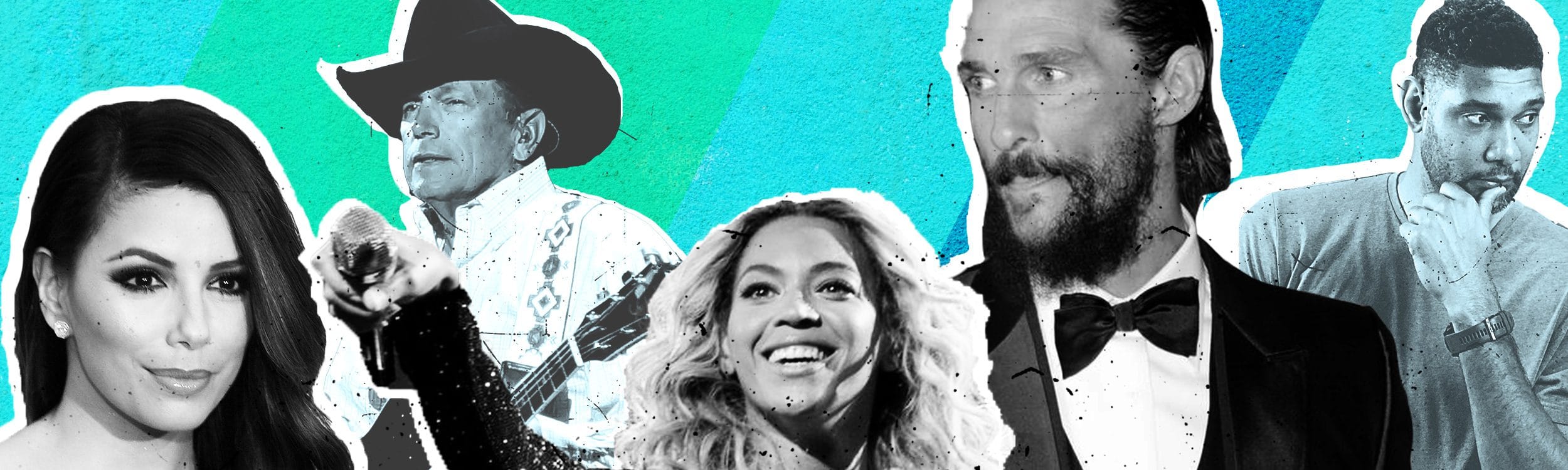
Leveraging Content with Celebrity and Influencers
The World of Celebrities as Brands and Influencers as Celebrities
by Ceslie Armstrong, executive content producer for
Noisy Trumpet
and
Quarter Moon Productions
The amplified consumer awareness of identifying a brand—and what it actually means to be a brand—is here to stay.
Celebrity as an industry is nothing new. For years, endorsement deals negotiated by a celebrity’s team resulted in a
spokesperson role that was easily understood and accepted by consumers.
Today, however, a celebrity as a mere spokesperson is no longer enough.
Consumers expect tangible authenticity. They want to see celebrities actively generating content and demonstrating
real affinity for the brands they align with.
At the same time, savvy audiences recognize that their favorite celebrities are also brands themselves.
Consumers feel genuine connection—and varying levels of emotional investment—in the celebrities and brands they
follow. This engagement is time-consuming and constant, happening across every screen and platform where entertainment
and information are consumed.
Importantly, consumers understand that a transaction has occurred—and they’re fine with it.
After all, it is show business. But the traditional business model has evolved and will continue to evolve
as FinTech and VR/AR technologies further integrate into how fans consume, transact, and support brands.
Authenticity as Currency
“Having the right celebrity drive a ‘call to action’ is a great roadmap to monetize a product or service and drive
data.”
This insight comes from entertainment industry veteran Jeffrey Dash, CEO of the wildly popular platform
ScreenBid.
ScreenBid’s studio-backed online auctions—including iconic content from Breaking Bad, Mad Men, and
The Simpsons—are built around authenticity that fans crave.
The company has created a recurring business model rooted in embedded content and emotional ownership.
Consumers aren’t just watching anymore—they can literally own a physical piece of entertainment history.

Photos provided by Wikimedia Commons.
Celebrity Access as a Business Model
Andy Warhol famously built an art factory and empire by leveraging celebrity culture.
As the ultimate fan, Warhol paved the way for artists and entrepreneurs who followed—building businesses around
celebrity access by earning the trust and respect of celebrities and their handlers.
A modern example is celebrity photographer, author, and Vanity Fair and New York Magazine
contributor
Patrick McMullan.
Warhol gave McMullan his first camera, and for years PatrickMcMullan.com has been the go-to destination for authentic celebrity
access.
Industry insiders—and the public alike—often check the site before even logging into their primary news source.
McMullan is a pioneer of a recurring B2B and B2C revenue model built on delivering fresh, authentic content daily.
Enter the Influencers
The days of box office receipts, TV ratings, and traditional star power solely determining endorsement value are
over.
Influencers born through digital platforms and social media now command equal—and often greater—cultural attention
than traditional celebrities.
The Digital Hollywood Influencer Awards
exemplify this shift.
Founded by Victor Harwood, the conference now features immersive influencer categories celebrating “Cultural
Influencers in an Expanding Digital Universe.”
You can explore the extensive list of categories, advisors, and honorees here.
Measuring Influence with Data
Today, sophisticated formulas and metrics determine influencer value.
Data-driven agencies now serve as essential advisors for brands seeking to mitigate risk in large marketing
investments.
One such company is Spotted, co-founded by
CEO Janet Comenos.
“Our products and reports were created to ensure that celebrity recommendations and decisions are rooted in data
and logic.”
Spotted defines an influencer as someone who builds relevance digitally, while celebrities gain fame through talent
outside the digital world.
Crucially, celebrities possess intrinsic value beyond any single product endorsement.

Photos provided by Wikimedia Commons.
Risk vs. Reward
As with any high-stakes marketing trend, betting on influencers carries risk.
There have been numerous instances where stock prices dropped or sales stalled due to impulsive social media behavior
or legal trouble.
While many executives once relied on gut instinct, trusted agencies now guide decisions using R&D, innovation,
and data—balanced with seasoned industry experience.
Music-focused NUE Agency, led by CEO Jesse
Kirshbaum, exemplifies this evolution.
Kirshbaum believes every brand should have a music strategy to connect with culture and audience identity.
Content Culture
Ultimately, the consumer remains the constant in an ever-changing landscape.
Brands that succeed will be those that integrate expertly created content with authentic storytelling and cultural
relevance.
When celebrities have genuine emotional investment—real “skin in the game”—brand partnerships transform into
something far more powerful.
“Artists are to culture what brand marketers are to brands.”
Brands must now think like artists, just as artists have learned to think like brands.
Success lies in understanding the culture of the brand, the culture of the consumer, and the culture of the moment.